

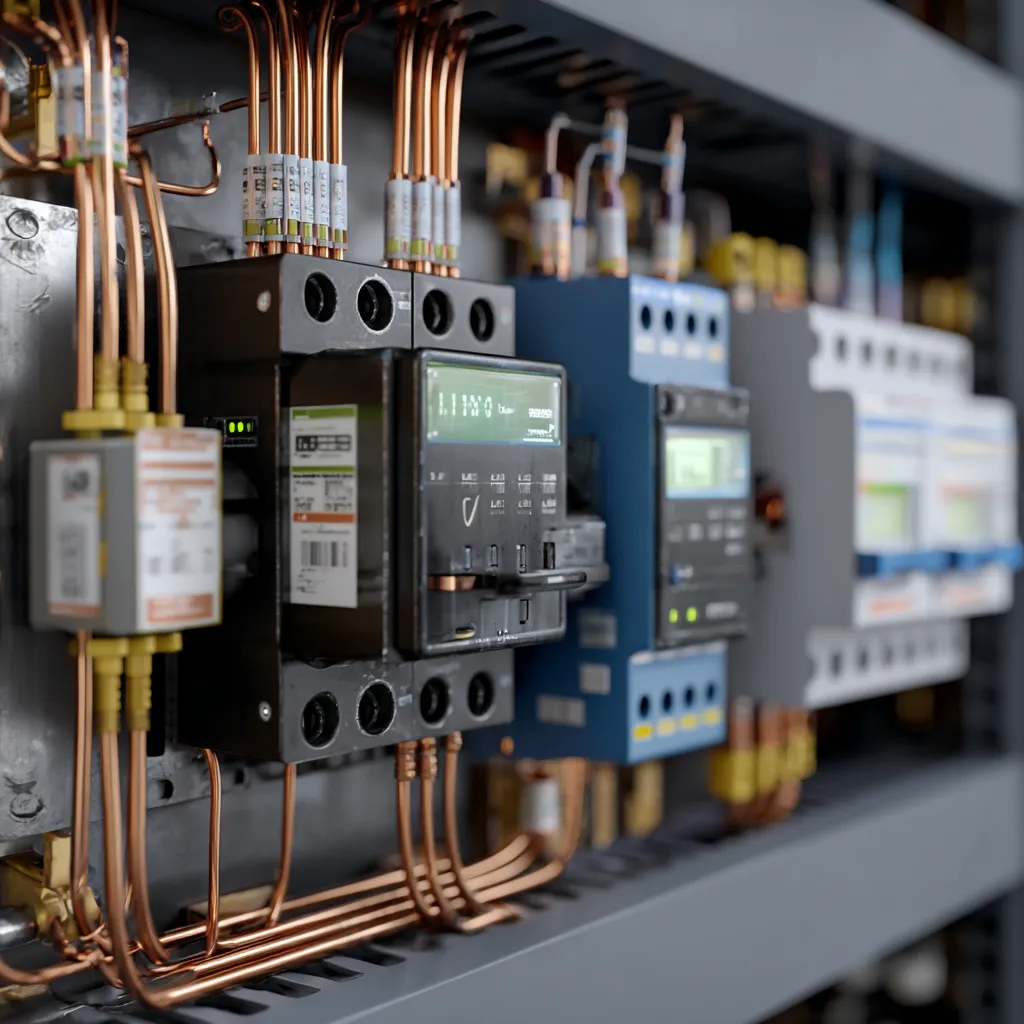

Understanding Modern Electrical Installation Standards
In the rapidly evolving world of construction and technology, electrical standards are not just suggestions—they are the backbone of safety, efficiency, and legal compliance. For businesses and homeowners alike, staying up to date with modern electrical installation standards is crucial.
Why Standards Matter
Electrical standards (such as the NEC in the US or BS 7671 in the UK) are designed to protect life and property. Modern updates focus heavily on:
- Fire Prevention: Enhanced requirements for Arc Fault Circuit Interrupters (AFCI).
- Shock Protection: More rigorous Ground Fault Circuit Interrupter (GFCI) placement.
- Energy Efficiency: Guidelines for smart meters and energy-efficient distribution.
Key Changes in Recent Years
- Surge Protection: With the rise of sensitive electronics and smart home devices, modern standards now often mandate whole-house or whole-building surge protection.
- EV Charging Infrastructure: New standards provide specific requirements for dedicated circuits and load management for Electric Vehicle (EV) chargers.
- Smart Integration: Standards now cover how IoT devices and automated building systems should be wired to prevent interference and ensure reliability.
The Risk of Non-Compliance
Using outdated methods can lead to insurance claim denials, legal liabilities, and, most importantly, electrical fires. Always ensure your contractor is certified and adheres to the latest version of the local electrical code.






2 Comments
Sarah Perkins
Excellent overview! I had no idea how much electrical standards had changed over the years. Very informative.
manager
Thank you, Sarah! We’re glad you found the article helpful. Electrical standards are always evolving, and staying informed is key to safety and efficiency. If you have any questions about updates or compliance for your property, feel free to reach out!